Emo Dating
Dating services and communities where emo, scene and alternative identity can be part of compatibility.
AltScene
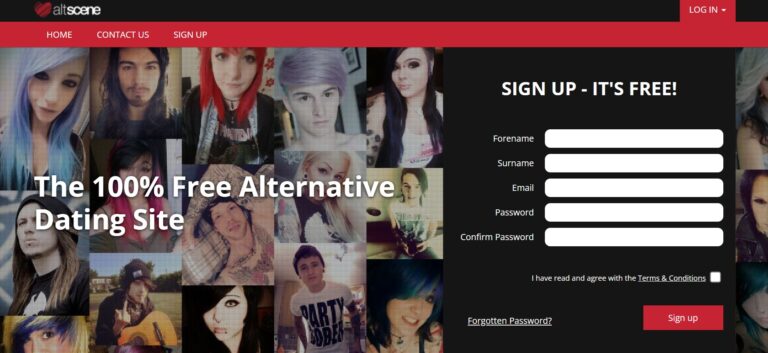
AltScene is a free, web-based alternative dating service for adults interested in goth, punk, emo, rock, metal, skater, and related subcultures. The service promotes…

Tinder
Tinder is a location-based dating and social-discovery service for adults 18 and older. Users create profiles, review recommended profiles, and can match and chat…
Bumble
Bumble is a dating app focused on helping adults meet through profile discovery, matching, messaging, and in-app communication. The service supports dating preferences, intentions,…
Coffee Meets Bagel
Coffee Meets Bagel is a dating service positioned toward adults seeking intentional, relationship-oriented connections rather than unlimited swiping. Members receive curated daily suggestions and…

happn
happn is a location-oriented dating service designed to help adults connect with people they have crossed paths with or may encounter in familiar places.…
HER
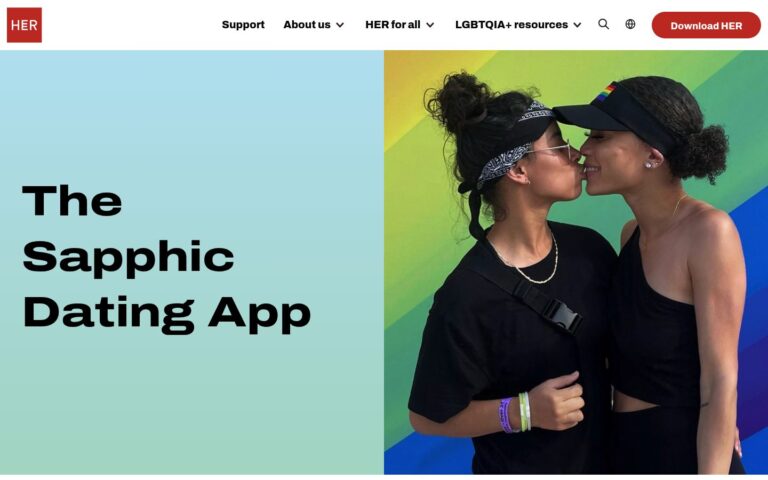
HER is a mobile dating and social app designed primarily for lesbian, bisexual, queer, transgender, nonbinary, and gender-nonconforming people. It combines profile discovery and…

Hinge
Hinge is an 18+ dating app focused on helping users form meaningful connections and move conversations toward in-person dates. Profiles combine photos, text prompts,…

OkCupid
OkCupid is an online dating service available through its website and mobile apps. It uses profile information, preferences, and answers to compatibility questions to…
How to compare emo dating services
The useful question is not simply which dating app is biggest. For emo and scene culture, the better comparison is whether a service attracts the right audience, supports the relationship goal you actually have, works in your country, and gives you enough ways to judge compatibility before paying.
We therefore separate relevance from commercial value. A specialist community can be a better fit than a large mainstream app, while a larger platform may still be more practical when a niche service has limited local activity. The services above are ordered from the structured evidence currently in our database, not from a fixed paid placement list.
Current examples in this part of the index include AltScene, Tinder, Bumble, Coffee Meets Bagel. The list can change as services are re-researched, availability changes, or we discover stronger evidence for another platform.
Look for a member community that matches the identity, age range or lifestyle behind your search—not just generic popularity.
Compare free access, messaging rules, apps, matching tools, privacy controls and whether the service works where you live.
Relationship-focused, chat-first, casual and open-minded platforms solve different problems. Choose the service type before comparing price.
What we check
Our automated research looks for current information from official service pages, help centres, app stores and other public sources. When pricing, languages, verification or platform availability can be supported, those facts are added to individual service profiles. If a fact cannot be confirmed, we leave it out rather than filling the page with guesses.
Before you join
Check what is included before paying, whether cancelling is straightforward, and whether the service has enough activity in your location. Dating platforms can change subscription prices, free-feature limits and availability by country, so the individual service profile is the better place to verify current details.
Common questions
How are services selected for this page?
They are matched from our structured service database using the page's intent, community and audience signals. Pages with too little matching evidence are kept out of the index until the database is strong enough.
Does the highest affiliate payout rank first?
No. Affiliate payout is stored separately and is only a small tie-breaker after relevance, availability and evidence quality.
How fresh is the information?
Services are automatically queued for re-research. Public offer data and service evidence are refreshed on a schedule, and dated sources are retained so stale claims can be replaced.